
Each month, we send out a newsletter exploring a different aspect of our work. Read our March 2026 newsletter to learn how using locally grown and saved seeds supports a local food system.
Be the first to read these stories by subscribing to our newsletter below!
A local food system is one that is built by the people living in their communities: the producers and consumers of food grown and prepared here. Local food systems are resilient because they thrive... even as the world around them changes.
All food starts with seeds. Growing, saving, and using local seeds means our food is in our control from the start. In a connected food system, even small actions like saving seeds or sharing a meal with a neighbor can cause ripple effects of lasting change.
Below are stories from our team that speak to the power of local seeds. Each one comes from one of our three core initiatives: Giving Gardens, where we grow abundance; Youth Growing Together, where we uplift the next generation through hands-on learning; and Local Food Connection, which supports food access across Alachua County.
Together, these stories show how local seeds move through our programs and community—growing food, knowledge, joy, and a more resilient local food system for all.
Giving Gardens
By Seed and Garden Director Melissa DeSa
The goal of our seed stewardship work is simple: find varieties that grow well here and produce abundant, delicious food.
Sometimes, that means searching for open-pollinated (meaning: the plant is pollinated naturally), alternatives to crops usually grown as hybrids. Hybrids can perform well, but their seeds don’t grow true (the same plant grows from the seeds you've saved) the next generation, so we can’t save them and build our own local seed supply.

Melissa checks daikon radishes after unprecedented frosts, noting that the seeds from the hardiest plants will grow even more resilient crops for our changing climate.
For years, broccoli was our problem crop. We never had an open-pollinated variety we could confidently recommend. Hybrids did okay, but they were slow to produce, took up valuable space for just one harvestable head, and often bolted (flowered) as soon as winter brought a warm spell. Once that happens, the harvest is basically over. And if you’re growing winter greens, there are easier options like kale, collards, mustards, and Asian greens.
Broccoli just wasn’t worth it. Until we found Piracicaba (pronounced: pee-rah-see-cah-bah). Developed in Piracicaba, Brazil which is a climate similar to ours, it was bred for “heat tolerance.” Here, that means handling a subtropical winter: cold snaps followed by days in the 80s.
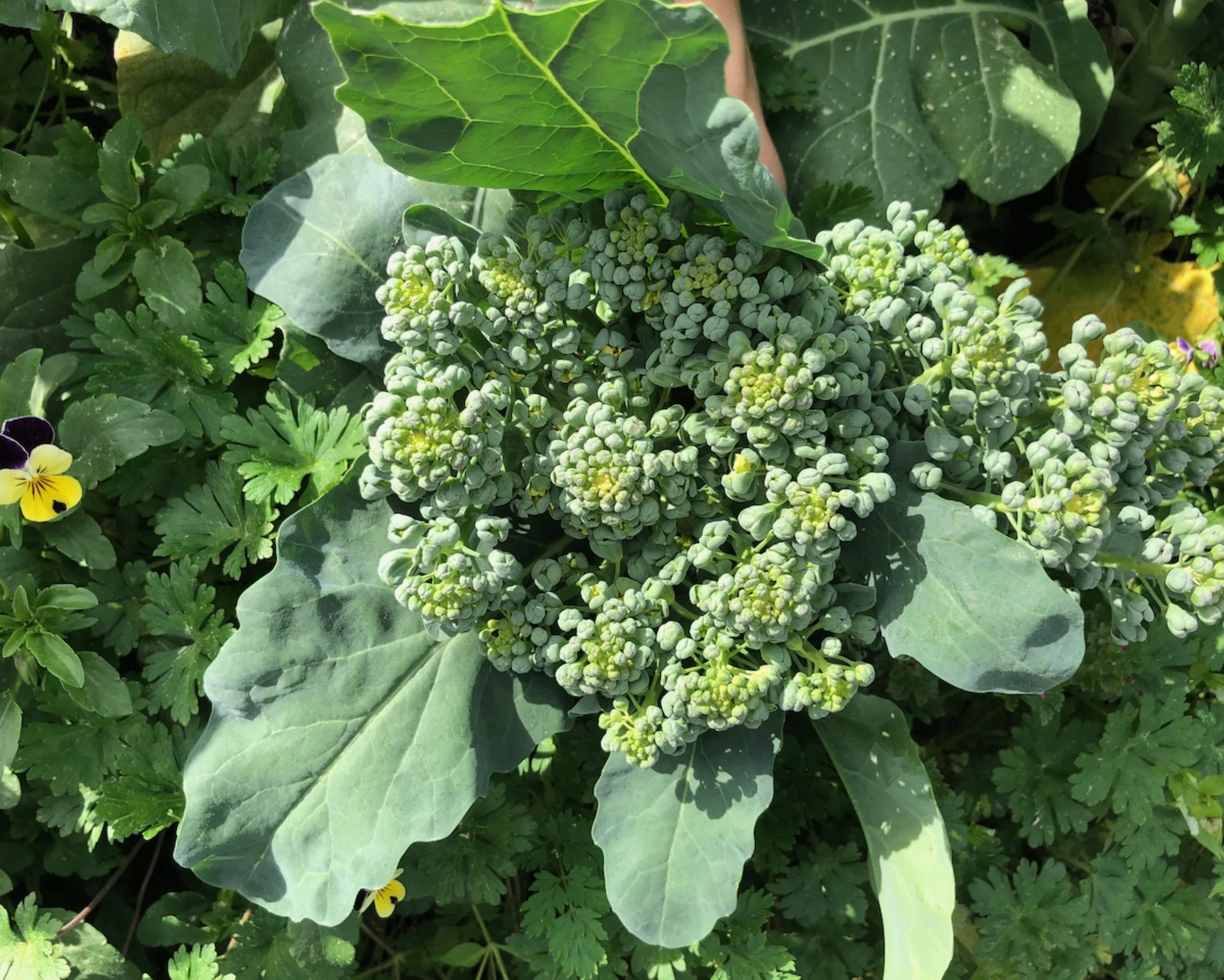
A flourishing Piracicaba broccoli head
We first grew it in 2021, skeptical but hopeful. After a nice initial head, it kept producing tender side shoots, which is really where this variety shines as more of a broccolini. It was sweet, delicate, and unlike any broccoli we’d grown before.
We saved seed that first year, then grew it again in 2022 and the following season, selecting the strongest, most productive plants. The more we shared it, the more others loved it too. It’s now one of our best-selling seeds.
We didn’t develop this variety. All credit goes to the breeders at Brazil’s Escola Superior de Agricultura Luiz de Queiroz, and the many seed savers before them. But now we’re part of its ongoing story and hope you will be, too!
Because it’s open-pollinated we can keep saving seed from the plants that thrive here. Each season, it becomes a little more adapted to our soil, our winters, our wild temperature swings. It’s now officially on our list of local favorites that we whole-heartedly recommend.
That’s local seed stewardship: finding varieties that can handle this place, and slowly making them even more at home here.
Youth Growing Together
By Youth Education Director Jesse Wilson
In our youth gardens over the last few years, Piracicaba has become a veggie celebrity.
Kids not liking broccoli is a cliche, but it's a cliche for a reason - kids often balk at the dry, bitter florets and the tough stems of grocery-store broccoli that are bred for storage, not sweetness. So we know that broccoli is not usually the gateway food that gets kids eating their vegetables.
But ever since we introduced Piracicaba, that hasn’t been an issue. The kids literally line up for it! Because this variety produces so many side shoots, there is always enough to share. The stalks are just as sweet and crisp as the tops, so nothing goes to waste. Even the flowering shoots (which would signal the end for most broccoli) are still tender and tasty. The greens are large and tender, a great substitute for collards or kale - they were a great addition to the rounds of chicken noodle soup we made this winter.
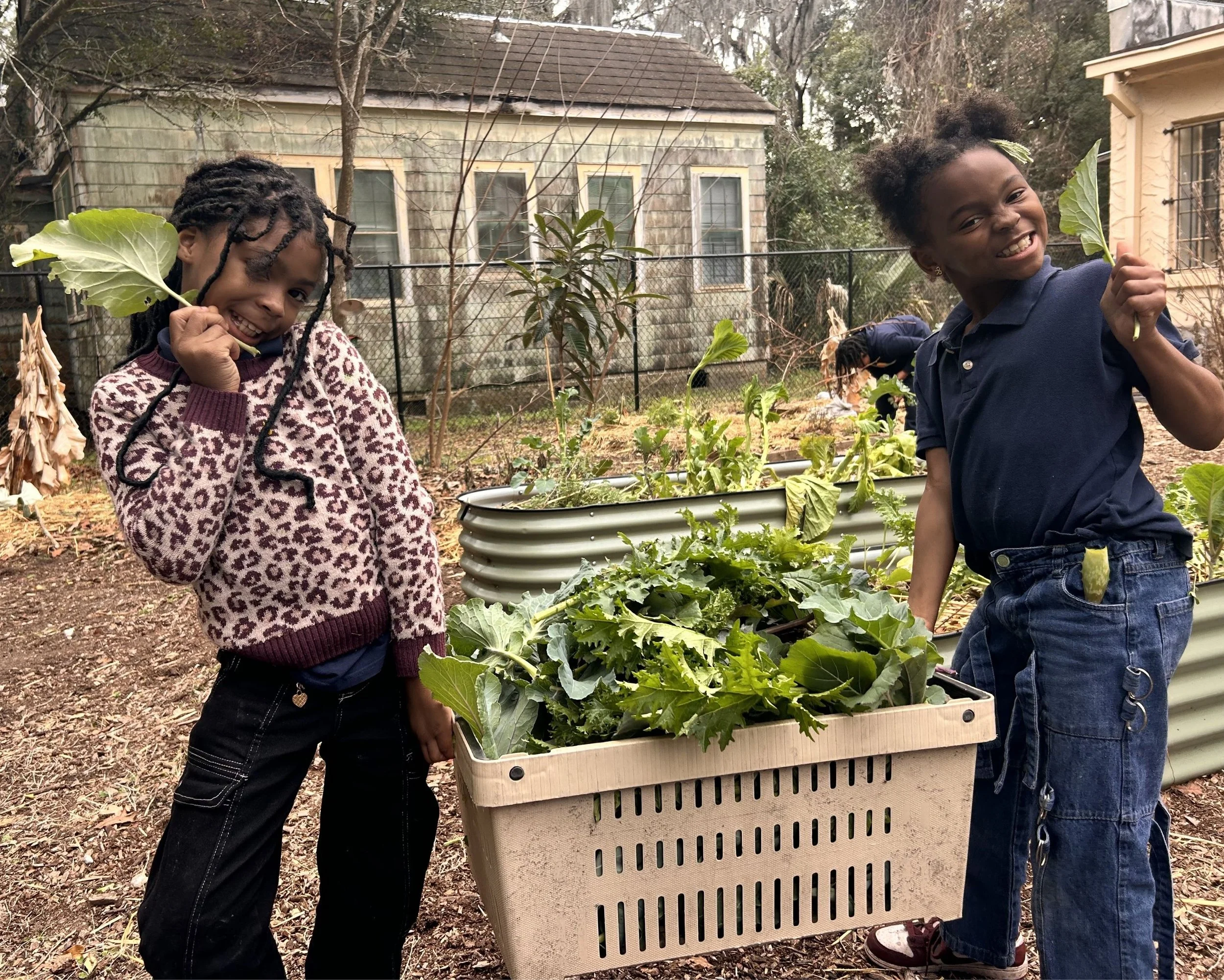
Harvested greens for soup, including those from Piracicaba.
One afternoon, a teen intern, who was prepping a charcuterie board of garden vegetables, turned to her young cousin. He turned away with classic kid-confronts-broccoli attitude. “Just try it,” she said. “It’s not like what you’re used to. The stem is like a green bean!” Lo and behold, another broccoli convert was made!
One of my favorites is seeing the kids running up to the garden after school. The first question as they pass through the gate, “Is there any more broccoli??”
And there almost always is more! Piracicaba stood up to our hot spring last year, lasting longer than the hybrids we grew. It has kept going even after being uncovered in the deep cold of this past January, while other varieties bolt and quit.
This year, the kids planted the broccoli they saved at the end of the season last year. Each season, it becomes a little more familiar with our gardens and a little more generous in return.
Local Food Connection
By Community Engagement and Farm Director Meg Boria-Meyer
At Working Food’s urban farm, we planted Piracicaba in October. Months later, we’re still harvesting from the same plants! Each week, these resilient crops provide a generous bounty, keeping our tables full.
Our donation farm may be small—just a third of an acre—but every inch counts. Crops like Piracicaba are especially valuable: one plant can produce countless pounds over a season. A traditional broccoli plant yields just a single head before taking up precious space for months.
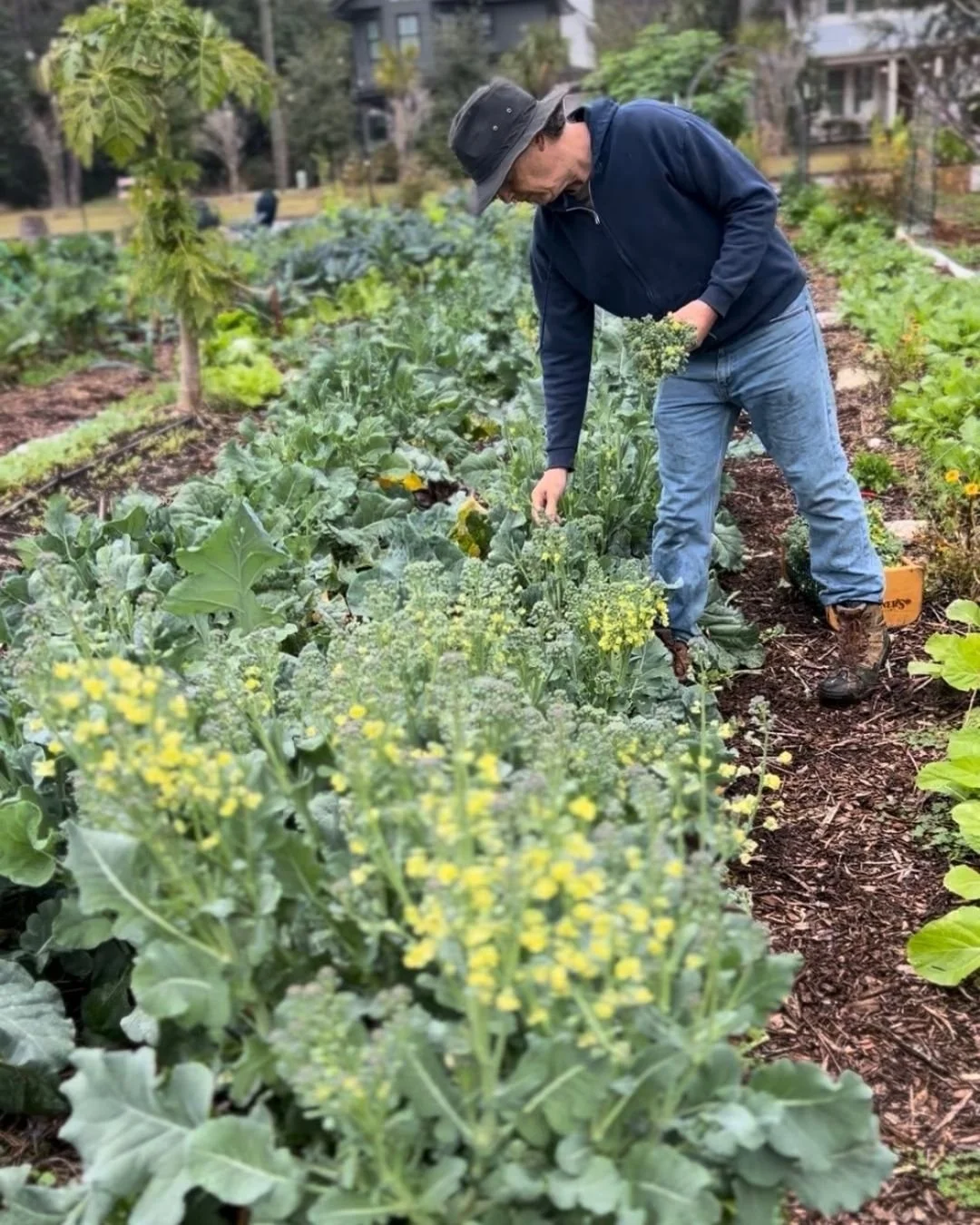
A volunteer at our donation farm harvests Piracicaba for a Food Is Medicine program in the Duval Neighborhood.
During our Monday walk-up food distributions (September through June), regulars often request Piracicaba, sharing the nourishing meals they make at home with its tender, sweet, and flavorful stems.
We also collaborate with local farms to redirect produce abundance to our community. On a recent visit to local Nicoya Farm, owner Aviva shared that Piracicaba has become a staple crop for her farm, prized by customers for its superior taste and local seed heritage.
This little local broccolini has made a big impact—feeding and delighting our community one tender stem at a time.
That’s what a resilient local food system looks like—children and adults alike eating broccoli straight from the garden or local farm and asking for more; farmers growing locally adapted varieties that support stronger harvests, better efficiencies, and greater profit; and communities at the farmers market getting excited about a local variety over a conventional one. It looks like saving and planting seeds from the garden and trusting they grew well because they belong here.
Want to be the first to receive this story and other important updates from Working Food? Subscribe to our newsletter! Sign-up linked at the bottom of this page.